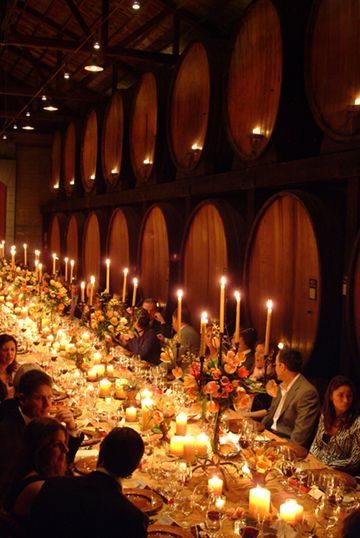
Organising an unforgettable event means creating the perfect harmony between food, atmosphere and conviviality. And at the heart of this experience, wine will play a key role. When chosen well, it enhances the food, encourages conversation and leaves a lasting impression on your guests. But how do you choose between the treasures of Swiss, French and Italian vineyards? Here are a few tips to help you make your wine selection an essential part of your event.
Wine, the key to a great event
Wine, a pillar of the event experience
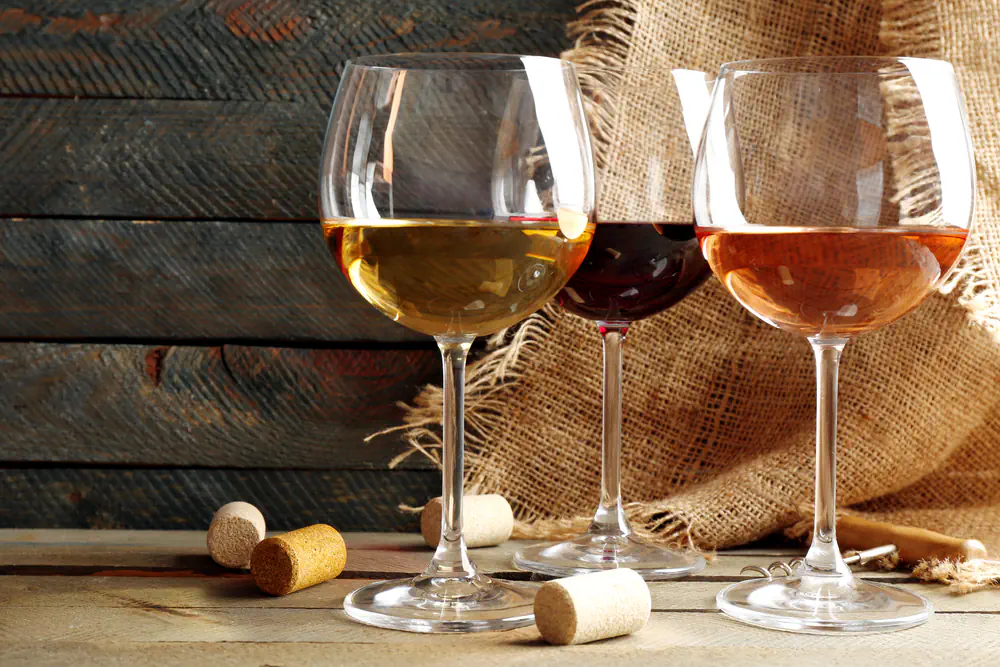
Wine, a pillar of the event experience Whether it’s a wedding, a company seminar, or even a private party, the right wine will set the mood you want. Whether it’s a powerful red that’s perfect for a convivial reception, a white for a refined atmosphere or sparkling wine to add a festive touch, each bottle is there to enhance the experience too.
Swiss, French and Italian wines: different but complementary
The diversity of wine is a great richness that is due to the different types of wine produced in each country. Pairing these wines can also create a real harmony of flavours. However, it is always important to match the wine to the type of meal. For example, Swiss wines appeal for their elegance and freshness, such as Chasselas from Lavaux or Pinot Noir from Grisons.
Grisons. French wines are renowned throughout the world and are characterised by their prestige and great diversity. The best known are the appellations: Bordeaux, Bourgognes and, of course, Champagne.
Italy, meanwhile, shines with its renowned wines. The best known for their conviviality and intensity are Chianti, Barolo and, of course, the unmissable Prosecco.
The secret to a successful selection is undoubtedly to match the wines to the menu and the timing of a meal, which will create a true harmony of flavours.
For an aperitif or cocktail, it is best to go for something light and fresh, such as a Chasselas, Prosecco or Champagne, which will get your guests sparkling from the start of the evening.
White wine goes well with starters or fish, while red wine is perfect for accompanying meat or hearty dishes.
If you want to add a festive touch to dessert, there’s nothing to stop you from finishing the meal with champagne.
Some practical advice
Seasonality remains an important factor when choosing wine. In summer, a rosé will always be appreciated for its refreshing qualities, while in winter a red wine will bring warmth and conviviality.
Be sure to choose your meal according to the type of event you are hosting, but also according to your guests. If you have connoisseurs among your guests, it may be wise to choose wines with original appellations. If you have a large audience, stick to safe choices that will appeal to all tastes. However, don’t forget that not all your guests drink the same amount of wine and that some may not drink at all.
Choosing wine for an event is not simply a matter of taste, but also depends on a subtle balance between the menu and established codes, as well as the profile of your guests. The key is always to combine tradition and originality, drawing on the elegance of Swiss wines, the conviviality of Italian wines and, of course, the prestige of French appellations. With these in mind, your selection could well help transform your meal into a memorable sensory experience, where wine becomes a common thread for shared emotions.